Knowledge
How to choose heat pump or biomass boilers professionally ?
Release time:2026.10.08Heat pump VS biomass boilers
In winter, facing how to supply hot water for commercial and household requirements , some customers can not differ which is better to choose between heat pump and biomass boilers ? Here is some brief description and explaination with regards to the doubts which is better heat pump or biomass boilers ?
1. Working Principles
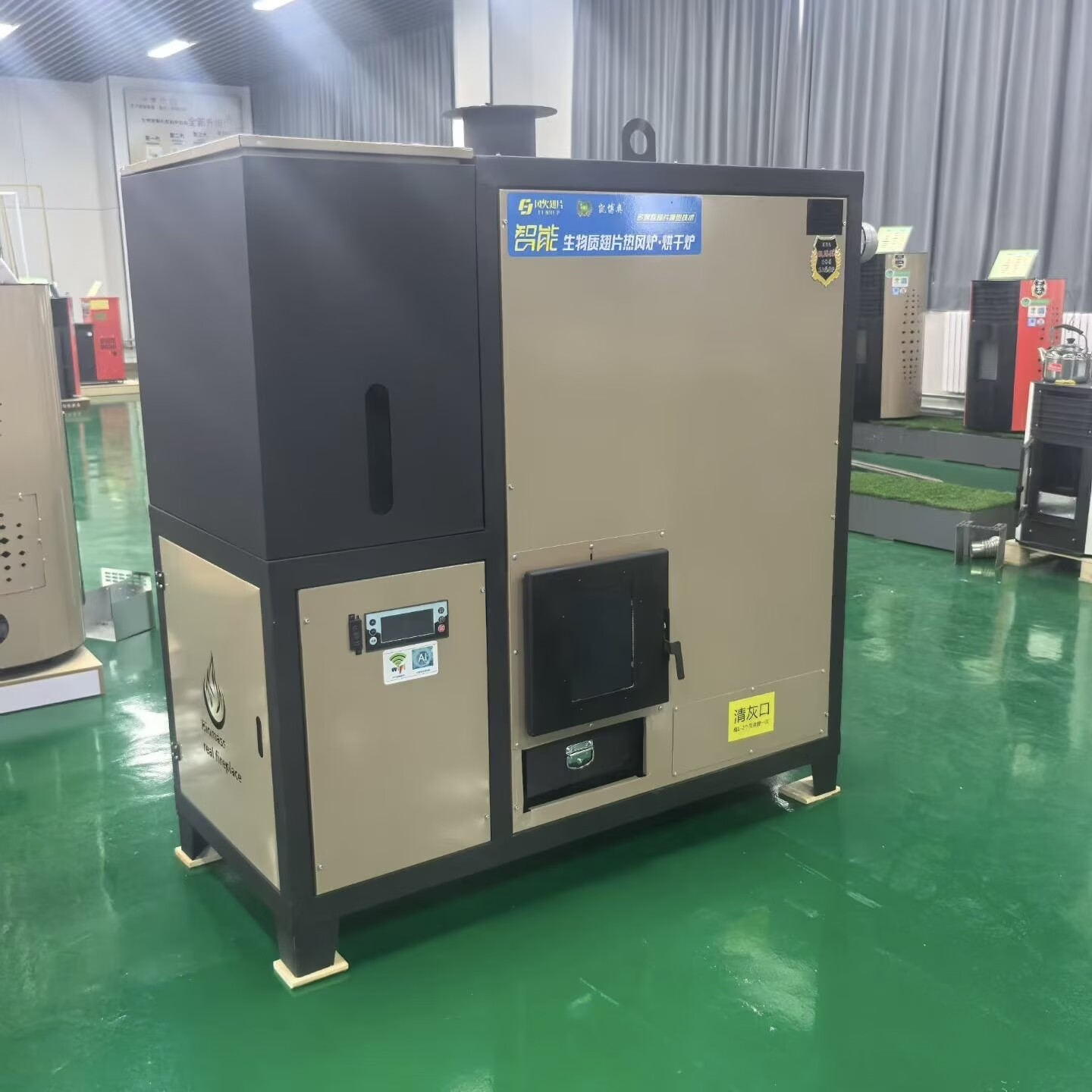
Biomass Pellet Boiler
· Combustion-Based: It generates heat through the direct combustion of solid biomass fuel (wood pellets) .
· Energy Conversion: Chemical energy stored in the wood pellets is released as thermal energy. This heat is transferred to a water circuit (either directly or via a heat exchanger) for space heating or domestic hot water .
· Key Metric: Thermal Efficiency (typically 70%–91%) — the ratio of useful heat output to the fuel's energy content .
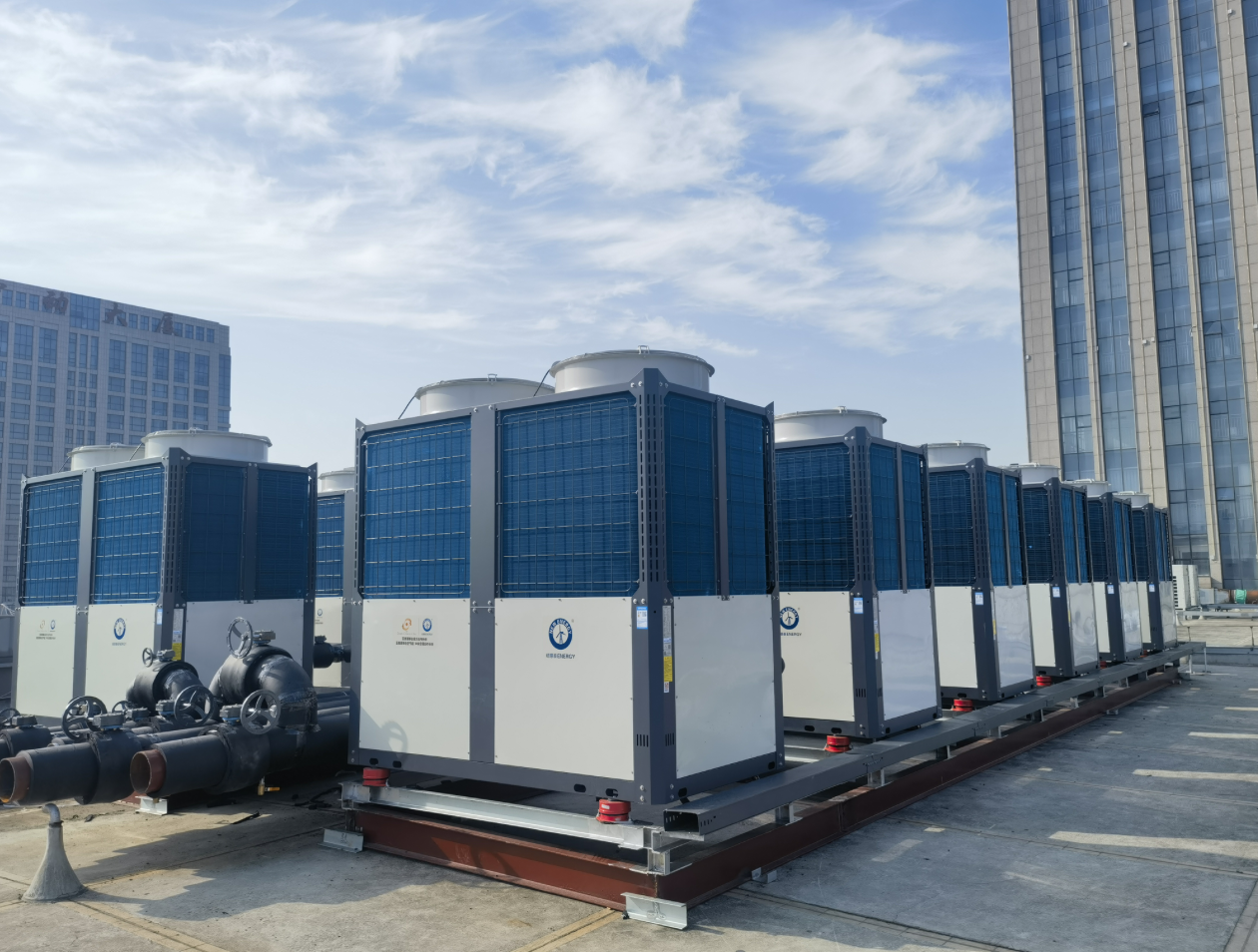
Heat Pump Water Heater
· Vapor Compression Cycle: It uses electricity to move heat, not generate it. A refrigerant absorbs ambient heat from the air (or ground/water), which is then compressed to a higher temperature and transferred to the water tank .
· Energy Transport: It functions like a refrigerator working in reverse.
· Key Metric: Coefficient of Performance (COP) — typically 2.0 to 4.0. A COP of 3 means it delivers 3 kW of heat per 1 kW of electricity consumed .
2. Key Differences : Energy Source & Supply Chain
· Biomass wood pellet boilers : Requires physical fuel delivery, storage (hopper/silo), and ash disposal. It is a "fuel-based" system .
· Heat Pump units : Runs solely on electricity. No on-site fuel storage or delivery is needed. It is "fuel-less" in operation .
3. Efficiency & Performance
· Biomass wood pellet boilers : Efficiency is relatively stable but is penalized at low loads (part-load efficiency drops) . It excels at high-temperature output (55–70°C+).
· Heat Pump unitis : Efficiency is highly dependent on ambient temperature. Performance drops significantly in freezing weather. It is optimized for lower flow temperatures (40–50°C) .
4. Space & Infrastructure
· Biomass wood pellet boilers : Requires a dedicated plant room for the boiler, fuel hopper, and often a large buffer tank. It also needs a chimney/flue for exhaust gases .
· Heat Pump units : Requires an outdoor unit (for air source) plus an indoor cylinder. It needs adequate airflow clearance and a condensate drain .
5. Environmental Profile
· Biomass wood pellet boilers : Considered carbon-neutral if sustainably sourced (CO₂ released equals CO₂ absorbed during growth) . However, it produces local air pollutants (particulates, NOx) .
· Heat Pump units : Zero local emissions. Its overall carbon footprint depends entirely on the grid's electricity mix .
6. Selection Guide :
Choose Biomass Pellet Boiler if:
· Climate: You are in a cold climate (Zones D/E) where air-source heat pump COP would drop drastically .
· Infrastructure: You have existing high-temperature radiators and do not want to upgrade to underfloor heating or larger radiators .
· Space: You have a plant room and space for fuel storage/chimney .
· Economics: You seek the strongest long-term financial performance with subsidies, or you are in a rural area with cheap pellet access .
Choose Heat Pump Water Heater if:
· Insulation: The building is highly insulated with low thermal demand .
· Emitters: You have underfloor heating or large surface area radiators designed for low water temperatures .
· Space/Convenience: You want minimal maintenance (no ash, no fuel delivery) and have no space for a chimney/hopper .
· Climate: You are in a moderate climate (Zones A/B) where the air remains warm enough for efficient operation .
Hybrid Consideration: A combination system (Biomass + Heat Pump) is often the optimal technical solution. Use the Heat Pump for efficient DHW and mild weather, switching to Biomass for peak winter demand .
If you need more professional suggestion how to choose and install biomass wood pellet boilers or heat pump hot water project system, get us for more :